
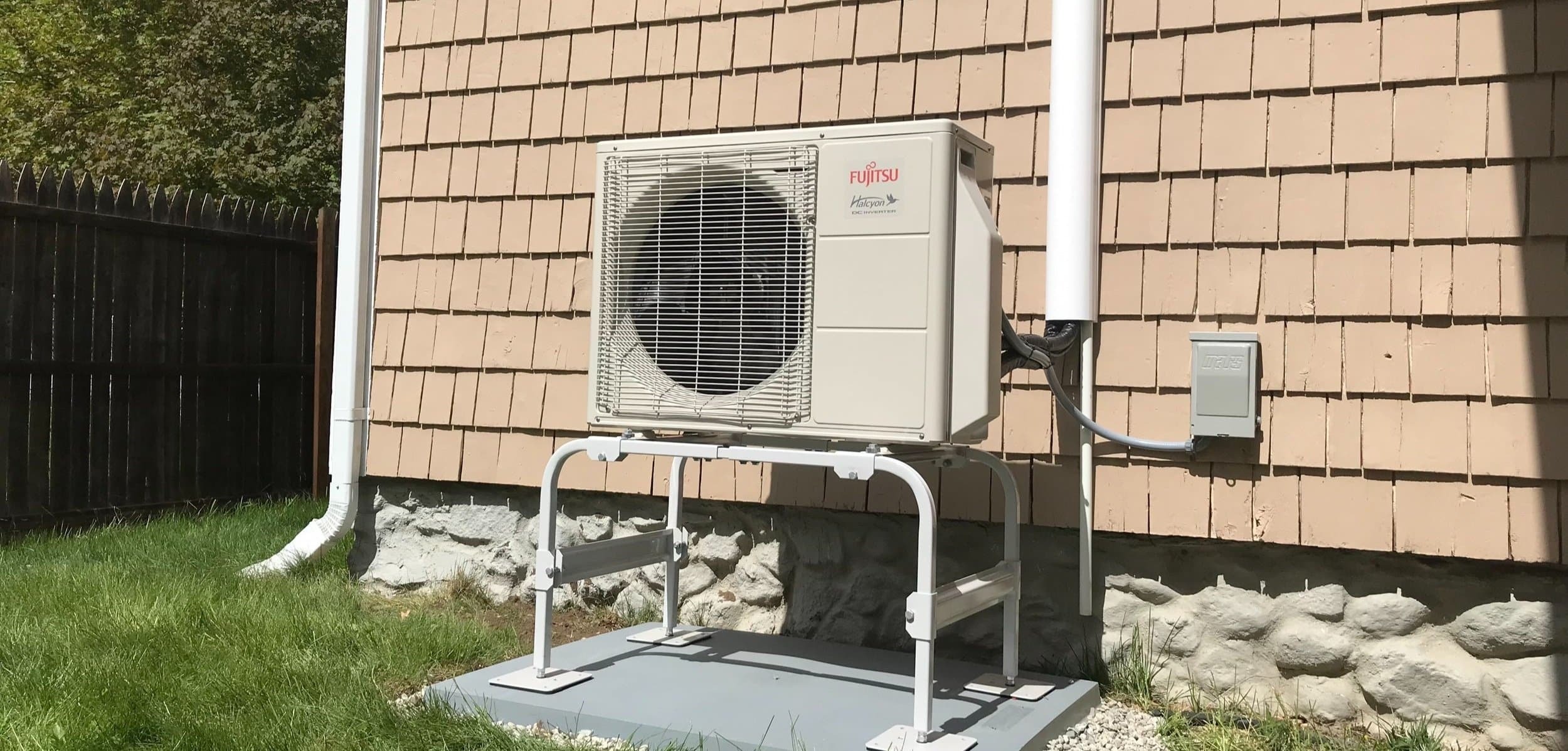
Mini split systems have become increasingly popular as an effective solution for energy-efficient home climate control. These systems offer a versatile alternative to traditional heating and cooling methods by providing targeted temperature regulation without the need for extensive ductwork. Unlike central HVAC units, mini splits consist of an outdoor compressor and one or more indoor air-handling units, allowing homeowners to customize comfort in individual rooms or zones. This zoned approach not only improves overall efficiency but also reduces energy waste by conditioning only occupied spaces.
One of the key advantages of mini split solutions is their ability to deliver both heating and cooling through a single system. Many models use heat pump technology, which transfers heat rather than generating it directly, resulting in lower electricity consumption compared to conventional electric heaters or window air conditioners. This capability makes mini splits suitable for year-round use, adapting seamlessly to seasonal changes while maintaining consistent indoor comfort levels.
Installation flexibility is another important benefit that contributes to the growing adoption of mini splits. Because these systems do not require ductwork, they can be installed in older homes where adding ducts would be costly or impractical. The compact size of indoor units allows placement on walls, ceilings, or floors depending on space constraints and aesthetic preferences. Additionally, the outdoor unit’s minimal footprint helps preserve exterior appearance without significant structural modifications.
Energy efficiency is further enhanced by advanced features integrated into many modern Mini Split models. Variable-speed compressors adjust output based on real-time demand instead of operating at full capacity continuously. This modulation reduces power usage during milder weather conditions while maintaining optimal comfort levels indoors. Programmable thermostats and remote controls provide convenient ways for users to manage settings precisely according to their schedules and preferences.
Beyond reducing utility bills, choosing a mini split system supports environmental sustainability by lowering greenhouse gas emissions associated with fossil fuel-based heating methods. Homeowners seeking green building certifications often consider these solutions due to their high Seasonal Energy Efficiency Ratio (SEER) ratings and reduced carbon footprint compared with traditional HVAC options.
While initial installation costs may be higher than some alternatives, long-term savings from decreased energy consumption typically offset this investment over time. Proper sizing and professional installation are essential to maximize performance benefits; undersized units struggle during extreme temperatures whereas oversized ones cycle inefficiently.
In summary, mini split solutions offer an adaptable and efficient means of controlling home climates with precision and convenience. Their combination of energy-saving technology, flexible installation possibilities, year-round functionality, and environmental advantages make them a compelling choice for homeowners aiming to improve comfort while minimizing operational costs and ecological impact.